Turn the Heat Down, Turn the Night Up: The Silent Third Person in Every Bedroom

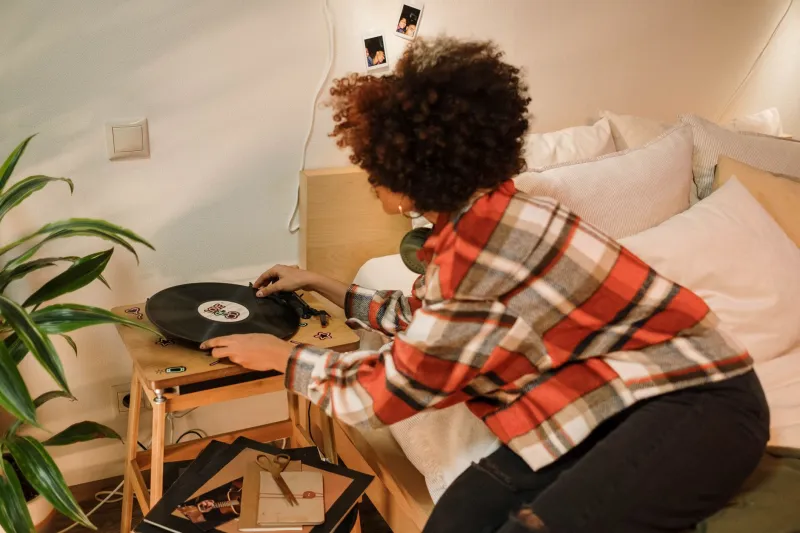
Photo: couple adjusting thermostat in dim bedroom warm lighting, via images.rawpixel.com
Nobody remembers to introduce them, but they're always there. The third participant in every encounter isn't a toy, an app, or an ex who texted at the wrong time. It's the temperature of the room.
Think about it. You've lit the candles, queued the playlist, done the whole production. Then ten minutes in, someone's forehead is slick, the sheets have become a wetsuit, and both of you are silently negotiating whether mentioning the heat counts as a mood killer. Spoiler: it doesn't. But most Americans would rather drown than admit they're sweating.
The Thermostat Is a Personality Test
Here's the fun part. Who controls the thermostat says more than anything on a dating profile.
The person who cranks it to 74 because they run cold and never asked? That's someone who assumes their comfort is the default setting. The person who keeps it at 65 year-round, hoarding blankets like a doomsday prepper? They want to be wanted warm — they're creating the conditions where closeness becomes necessary.
And the rare unicorn who asks, mid-makeout, "hey, should I turn the heat down?" That person has just done something genuinely attractive: they treated your body as something worth engineering for. Comfort is courtship. Nobody says that out loud, but everybody feels it.
Why Nobody Admits They're Sweating
We've built a culture where admitting physical discomfort feels like a confession of weakness, and where any interruption feels like breaking the spell. So we lie. We say we're fine while silently relocating to the cooler side of the pillow. We press our damp forearm into the sheet and hope they don't notice the sheet noticed.
But here's the thing — they noticed. Everyone always notices. The sweat isn't the problem; the pretending is. There's something quietly intimate about saying "I'm cooking over here, can we crack a window?" It signals trust. It says: I care more about what's actually happening between us than about performing smoothness.
Ironically, that admission is often hotter than the silence it replaces.
Heat Does Real Chemistry (and Not the Kind You Want)
There's actual science lurking under this. Core body temperature has to drop for quality sleep, which is why the afterglow nap hits different in a cool room. Skin-to-skin contact transfers heat fast, which means two bodies generating friction in a warm room are working against biology, not with it. Overheating reads to your nervous system as stress, and stress and arousal share wiring but not the same goal.
In practical terms: a room that's slightly cool keeps bodies comfortable longer, extends the session, and makes the shared warmth under the blanket feel like a choice instead of a survival situation. The heat should come from each other. That's the whole trick.
The Two-Degree Rule
So what's the move? Keep it simple.
- Set the room a couple degrees cooler than comfortable before things start. You'll warm up fast enough.
- Ditch the flannel sheets in any month that isn't February. They're a trap.
- Keep one light blanket nearby instead of sleeping under a comforter built for a Minnesota winter.
- If someone gets warm mid-encounter, treat it as logistics, not rejection. "Hang on, I'm dying" and a quick window crack costs you thirty seconds and buys you twenty more minutes.
And notice what happens when you stop treating temperature as an embarrassing afterthought: the room stops being an obstacle and starts being part of it. The chill that makes you pull closer. The warmth you generate together that no furnace could match.
Read the Room, Literally
Next time you're at someone's place and it's sweltering, pay attention. The thermostat is telling you something — about how they think, whether they consider other people, whether they've ever had to share space with another human's comfort in mind.
Then do the confident thing. Adjust it. Own the environment the way you're trying to own the evening. Because the sexiest thing a person can do isn't always about skin. Sometimes it's about knowing that great nights are engineered, not improvised — and that includes the two degrees nobody else thought to check.